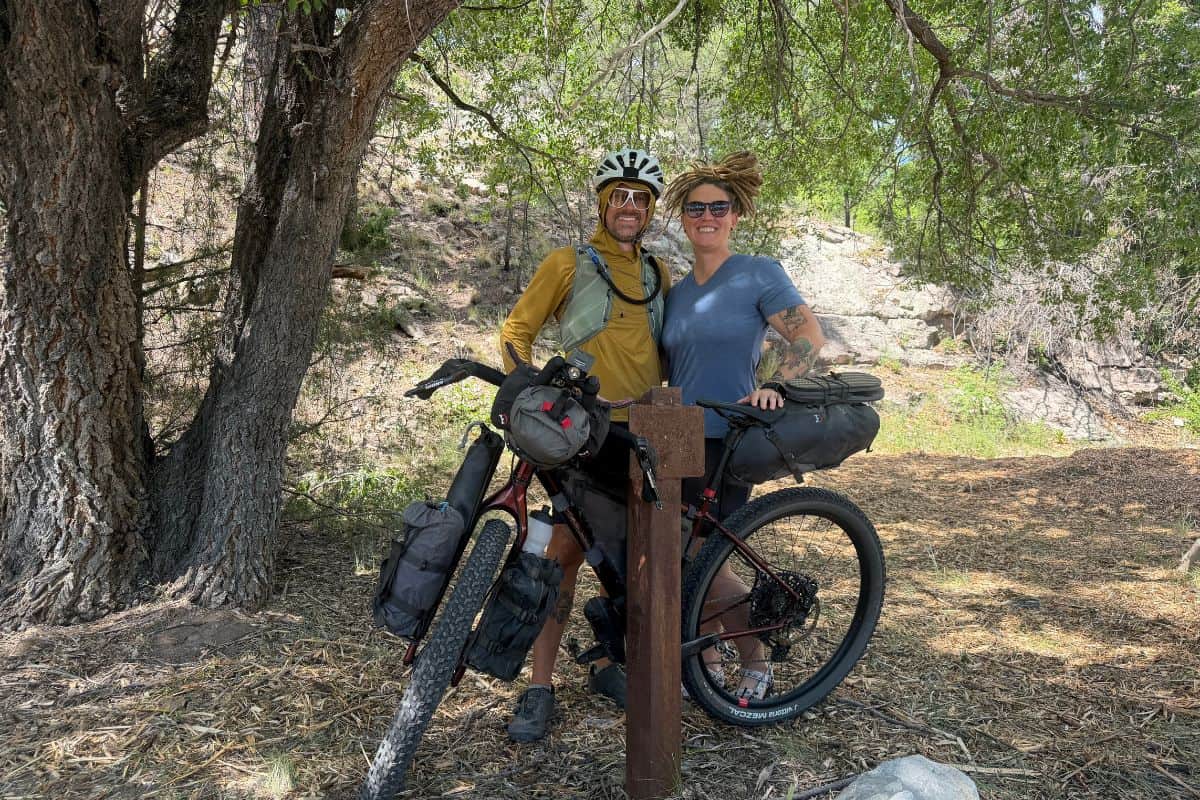
How I Run Remote Bike Tour SAG in Our Full Time Camper Van

Supporting an endurance cyclist on a massive cross-country trek from New Mexico to Canada is a masterclass in flexibility. When your partner is grinding out triple-digit mileage every day while facing terrain, wildlife, and weather challenges at every turn, your role as the support crew shifts constantly.
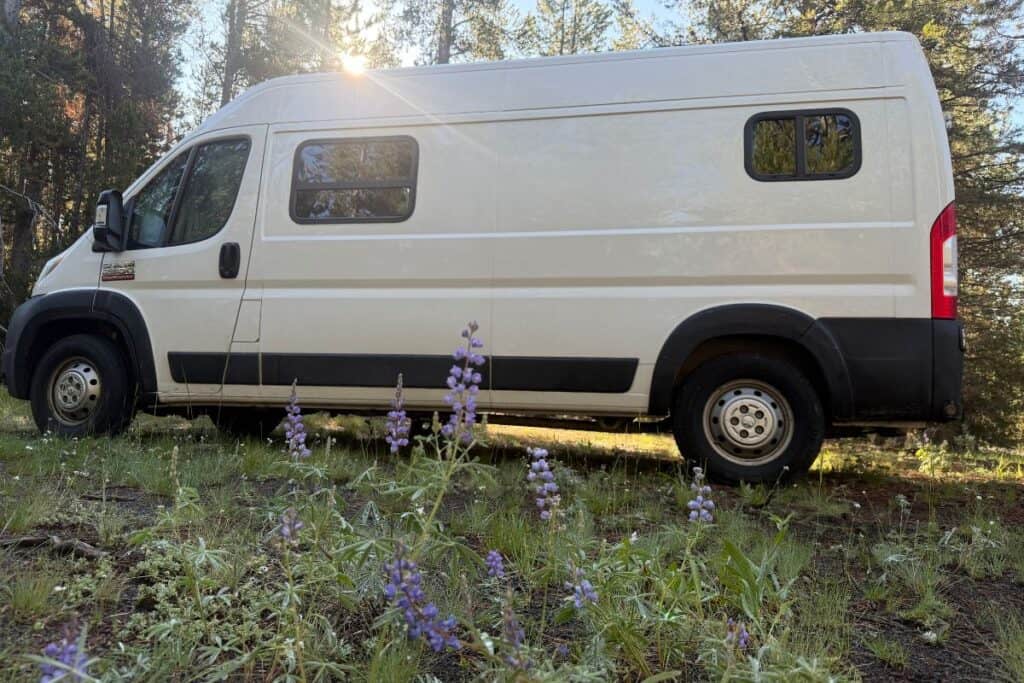
Unlike traditional, race-style SAG where a vehicle trails directly behind the rider at 15 mph, running van life bike tour support means operating separately for a large portion of the day or days at a time and meticulously planning logical resupply points. With the catch and release SAG strategy we employ, I am, effectively, a mobile basecamp, a rolling supply chain, a digital scout, chef and laundress all packed into one, operating from our 72-SF camper van that we travel full time in.
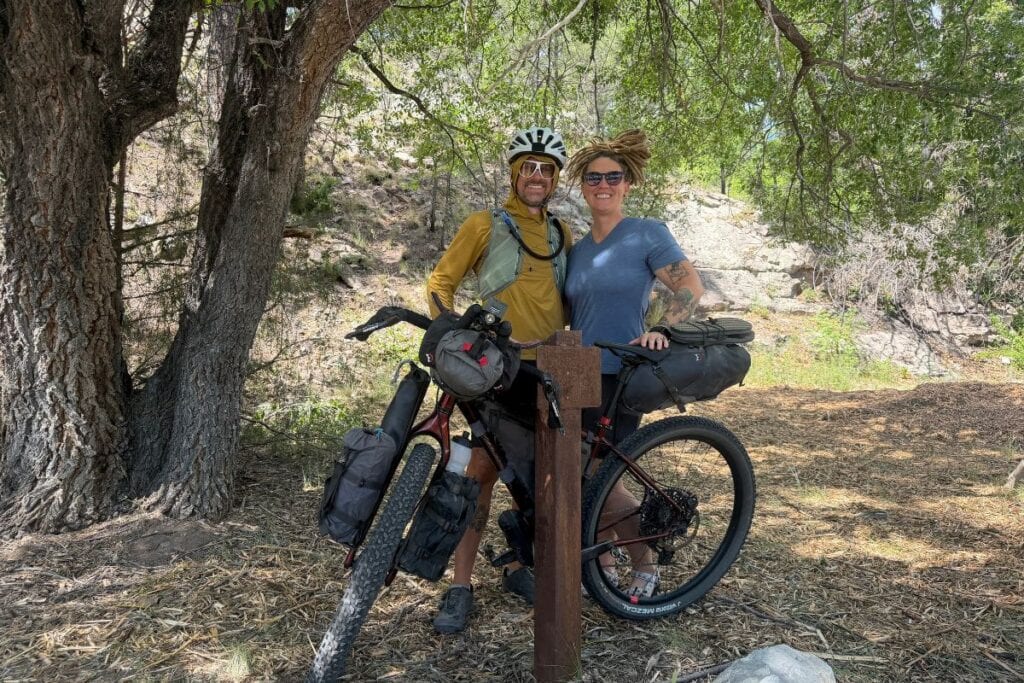
If you are preparing to crew an endurance rider on the Great Divide or a similar long-distance route, this guide covers exactly how we manage remote van checkpoints, master complex delivery logistics, and execute high-carb bike tour meal planning without completely losing our minds along the way.
The Catch and Release Van SAG Strategy
What is this catch and release van SAG strategy anyways? No I am not just typing words, promise, this is science and math and probably some geography too.
First of all SAG stands for support and gear, usually referring to the van you see driving behind a rider like in the Tour de France for example, with someone hanging out the window shoving water bottles and gels into their moving cyclists jersey or helping them swap out a tire when they get a flat.
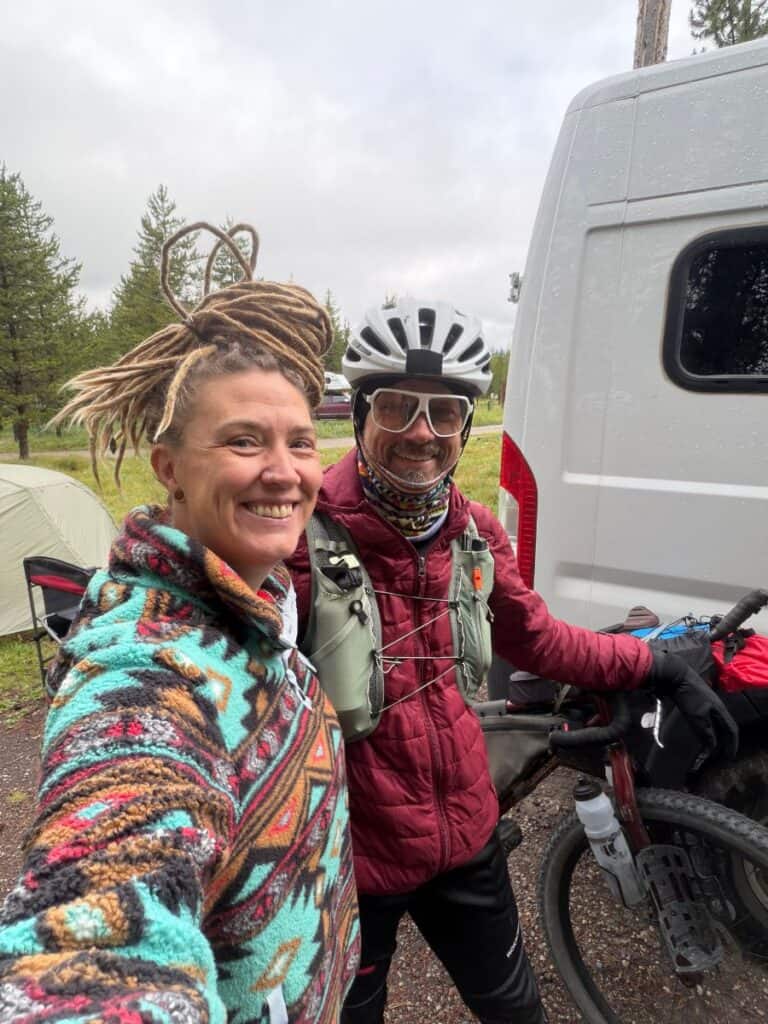
We do things a little differently on a 2,700 mile long journey that goes through remote and wild lands. Catch and release is loosely this, we catch up to each other, get the rider resupplied and then “release” them to then meet up at a pre determined location to do it all over again. I’ve narrowed it down to the following three sections for ease of understanding.
Calculating the Perfect Van-Bike Meet Ups
We first take a look at the riders route to see how many miles can be ridden reasonably in a day. We have to take into account elevation changes, weather and challenging terrain. Then we figure out where we can potentially meet that is (preferably) on route so rider doesn’t need to add any extra mileage, and is two wheel drive van accessible.
Sometimes if the miles to be ridden put the rider in a remote area that the van wouldn’t be able to access, we need to load the bike for a wild camp night and I solo van camp separately. Refining the bikepacking setup has taken miles and miles of fine tuning, but we have gotten a pretty good handle on it.
Pro tip: 🚲 🚐 While driving the SAG wagon, constantly monitor cell signal. If plans change last minute when a camp is full or the road is bad and the van can’t get there, having no cell signal may put you in a bit of a pickle. If you have an iPhone there is satellite messaging capability when you are on SOS mode, use it! 🛰️
Off-Bike Logistics: The Daily Van Hustle
While your rider is out tackling the seemingly endless miles and all the challenges that come with them, SAG crew days are filled with the less glamorous daily tasks of van life as well as some fun logistical challenges.
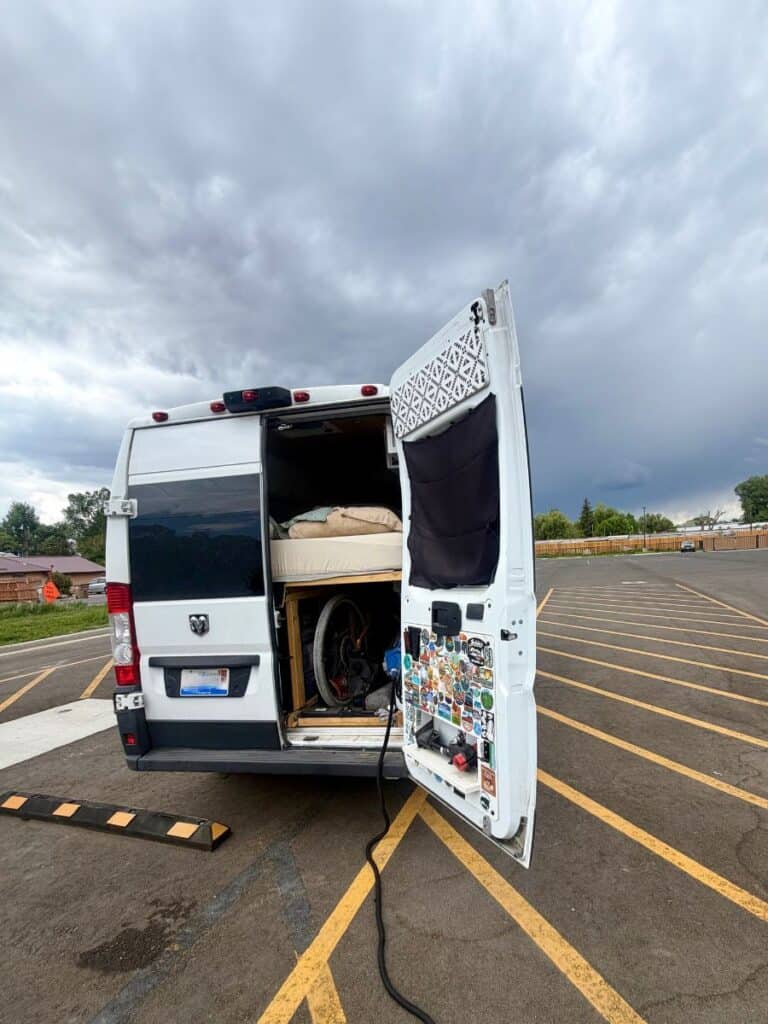
Pro tip: 🚲 Plan around bike shop deserts. Bike shops are not in every town. If your rider MIGHT need something for their rig, get it when you can. Learned this the hard way in Utah, not even on an endurance ride, but we had to backtrack two hours just to get a chain due to a bike shop desert. 🏜️
Enjoying the journey
A big part of running bike support from your own camper van is remembering that this is an epic journey for both of you. Just because you are driving the majority of the miles instead of pedaling them doesn’t mean you aren’t doing something big too!
I try to incorporate things just for me even if it’s as simple as a gym visit to ensure I get some movement in for the day or as “big” as doing a paid tour or activity. Doing things for you is a crucial part of running SAG and will ensure everyone involved stays sane and happy.
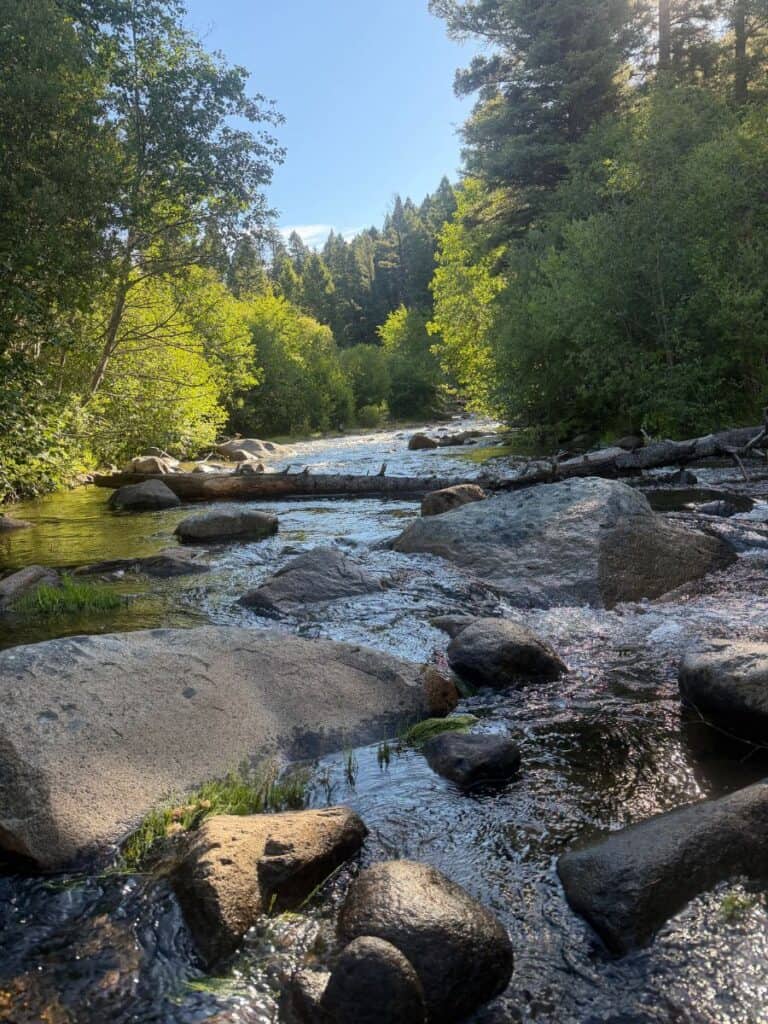
Pro tip: 🚲 A crucial step to preserving your sanity is to embrace the art of the pivot. I am a chronic planner, list maker, mapper of everything and it used to really bother me when things didn’t go according to plan. That is not the reality of SAG or van life. Setting up mindful reminders on a smart watch is really helpful with personal journey preservation and crew care 🧘🏼♀️ 🪬
My Digital Toolkit: Mapping and Tracking Apps
In this modern age it is remarkable just how many apps and maps it takes to keep an eye on your rider. I use a combination of four main mapping or tracking apps and websites to ensure I am accurately planning routing, stops, timing and resupplies.
- Ride with GPS: This app has the closest route information I can get. It offers interactive real time mapping that works offline so I can see if I am on the riders route or not, even when I don’t have a cell signal.
- Garmin inReach: The inReach is the single most important piece of gear for any remote wilderness bike or hike. It is a satellite messenger which gives the rider the ability to message without cell signal and offers live tracking either by sending the URL to the cyclist tracker or through the Garmin Messenger app. To activate live tracking in the app, toggle on live tracking and select recipients to notify before leaving signal and it will send the URL for your personal tracker to your selected parties.
👉🏻 Get your Garmin inReach today, your personal lifeline!
- Trackleaders: If traversing a route that is available on track leaders, this site is useful for getting updates on exact location. As noted above, the URL from the satellite device like the inReach is sent to track leaders when registering and will track the riders progress. It offers an interactive map showing the other riders on the route as well as a “google map this location” feature which will take you to Google Maps where you can switch to bike directions and get a fairly good idea of how far out your rider is from your exact location.
- Google Maps: This tool may seem like a no brainer, but the satellite layer of Google Maps has improved exponentially over the years. Typically you can zoom in far enough that you can even get an idea of what the road surface looks like and if there are any pulls offs that you can use.
Campsites and Parking
Being full time van lifers gives us a big leg up on the “where do we sleep” of it all. When living on the road full time, you have to get good at finding safe, legal and hopefully beautiful places to sleep every day of the year.
We always like to try to find free options first followed by lowest priced options whenever possible. There are several tools in the work belt that are checked every time the “place to stay search” is on.
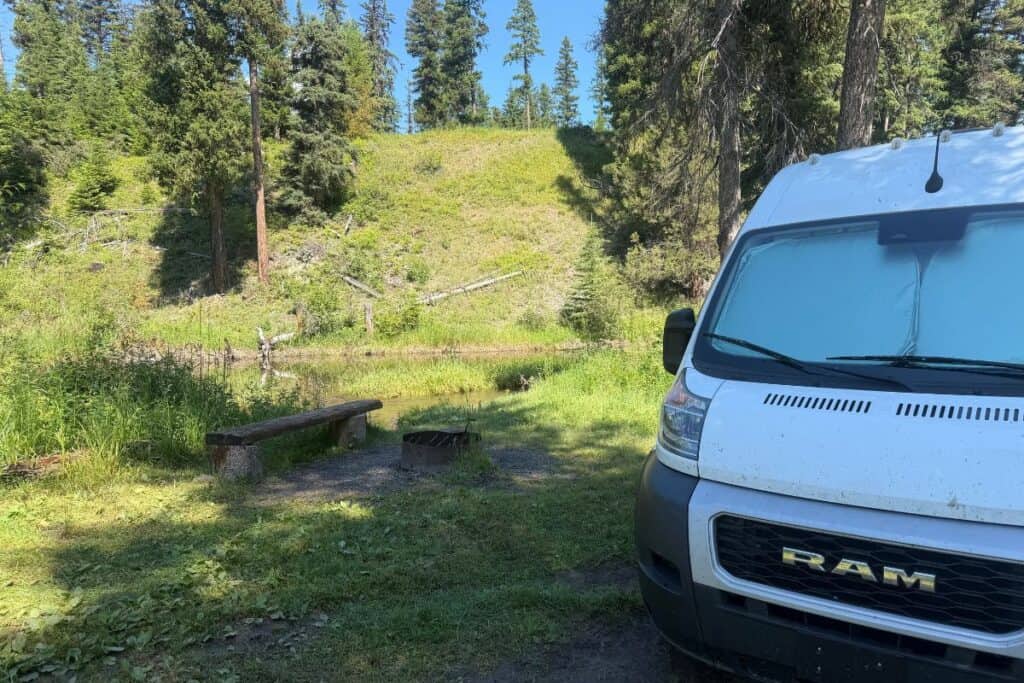
- iOverlander: This is a crowd sourced website that shows locations of wild camping, established campgrounds, water sources, and even propane and showers. What I really appreciate about this site is that contributors sometimes post pictures of the site and leave helpful reviews and information that note things like cell signal, 4×4 only accessible and when they were last there.
- Gaia GPS: This is an offline mapping tool (I use the free version) which I use mainly for the land boundaries feature. I typically find a spot on iOverlander that looks good, then double check on Gaia to be sure that it is on public lands so as to avoid any uncomfortable situations like showing up and camping somewhere you shouldn’t be! It’s also helpful in this regard if you are down some random road and don’t know whether that pull off is National Forest or Farmer Ted’s back pasture.
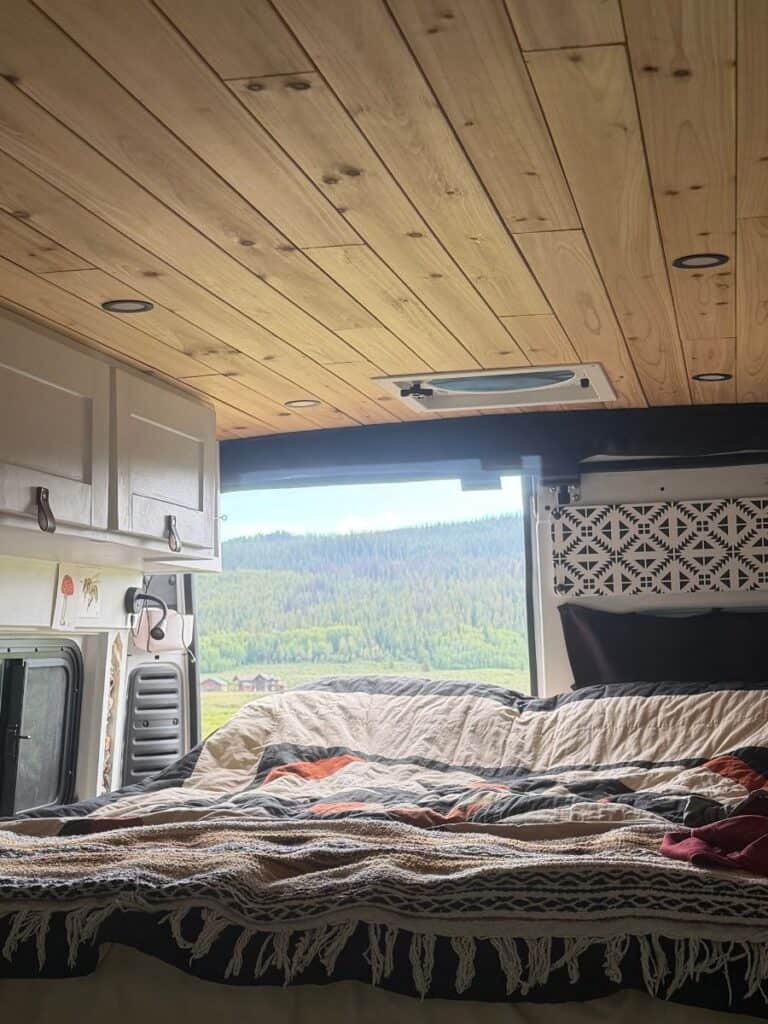
- Harvest Hosts & Boondockers Welcome: This little gem does require a membership but I can confirm we would not have survived the fall on the east coast without it. Harvest Host locations are business’ that offer a place to park in exchange for your patronage. Some offer additional nights stay for a fee but typically one night is included with membership.
Boondockers Welcome are private residences that offer a free place to park hosted by like minded travelers from their home base. The bio about each Boondocker indicates how many nights they offer. The membership is very affordable and the interactive map for locating options is easy to use. Some places even offer hook ups and water. We have met so many incredibly kind and generous people through this program and have really enjoyed it. - Hipcamp: This is a free app that shows location and pricing as well as access to booking for paid campsites. It sometimes shows camping options that can’t be found on other apps and so it is definitely worth checking out.
Rolling Supply Chain: Deliveries & Daily Maintenance
Before setting out to live life on the road full time we were like everyone else. We had a permanent address, with amazon two day shipping right to our doorstep and “our” grocery store 15 minutes away. When on the road full time or for a long stretch running bike support, it is very likely you will need to figure out how to get some sort of supply that can’t be found on the shelf of a regular supermarket or big box store. There are some hacks that will save the day which I will happily share here so you can avoid the growing pains.
Planning Deliveries on the Road
There are two main ways we get deliveries on the road, amazon has two different types of pick up locations, lockers and pick up counters. For everything not Amazon, the U.S. Postal Service offers general delivery in most places. These delivery hacks have been life savers on the road for both SAG and everyday van life.
- Amazon pick up locations: These are NOT in every town so locating one on route and within the right amount of days to delivery is the first obstacle to overcome. In your amazon account, go into your address’ and then select the “add new pickup location” and search for any towns you will be going through to see if a pickup location is available.
- Lockers: Cannot hold large items, they are sometimes full and an order can’t be placed to that location. Locker orders have to be picked up within three days of delivery or they are sent back. Typically they are located outside so they can be accessed anytime with your pick up code. The code is sent in your email that indicates it’s been delivered.
- Counter orders: Usually have a longer pick up window of 7-30 days and can accept larger items. Counters are usually located at places like Staples, Whole Foods, or sometimes even hardware or department stores. You will want to be sure to check their hours of operation to ensure when you can pick up!
- Amazon checkout: After selecting your pickup location, filling your cart and heading to checkout, be sure the correct address is selected (yes I am speaking from experience, I might have accidentally sent things to two states behind us by accident) and then confirm how many days it will take to ship. 2 day shipping is not typical on pickup orders so check the details carefully to make sure it will arrive within your timeframe.
- General Delivery: The other main option for deliveries is a post office that offers general delivery. Amazon orders cannot typically go to a general delivery address, I have tried and it failed miserably.
A quick google search (“post office in ____ general delivery”) will tell you what post office location offers the service in any given town. You can then have the item sent to the post office via your name with the general delivery address. They will hold it there for you for 30 days. You just need your ID to pick it up, and remember, post office hours are more limited than pick up counters and are NOT open on Sundays or federal holidays.
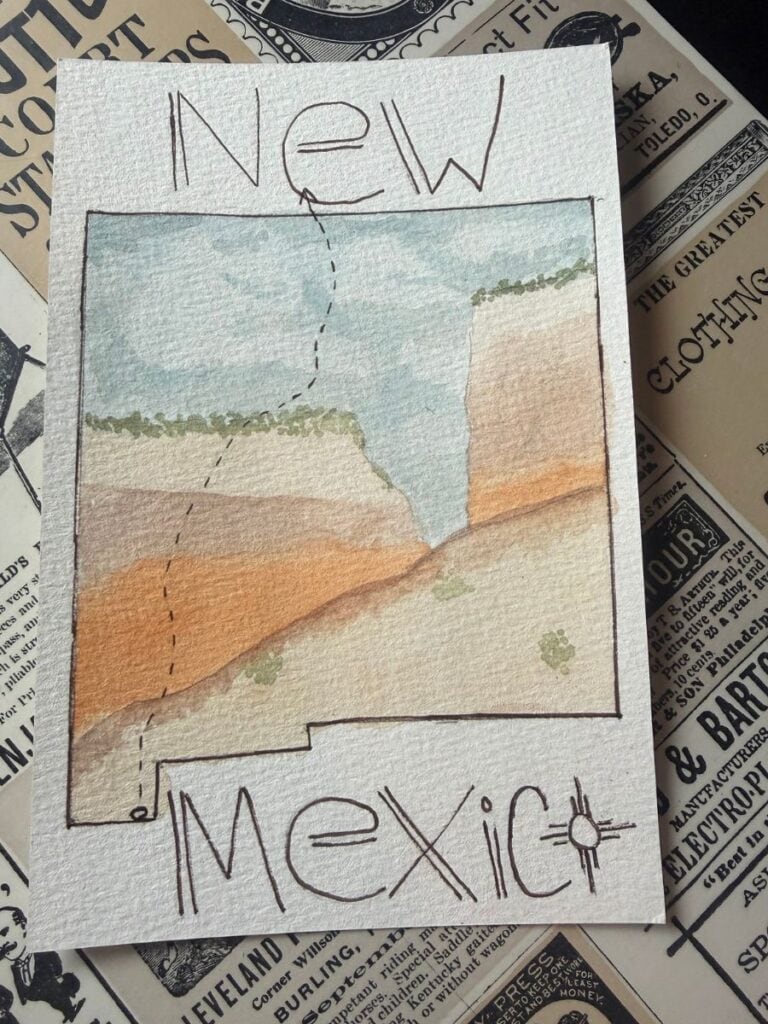
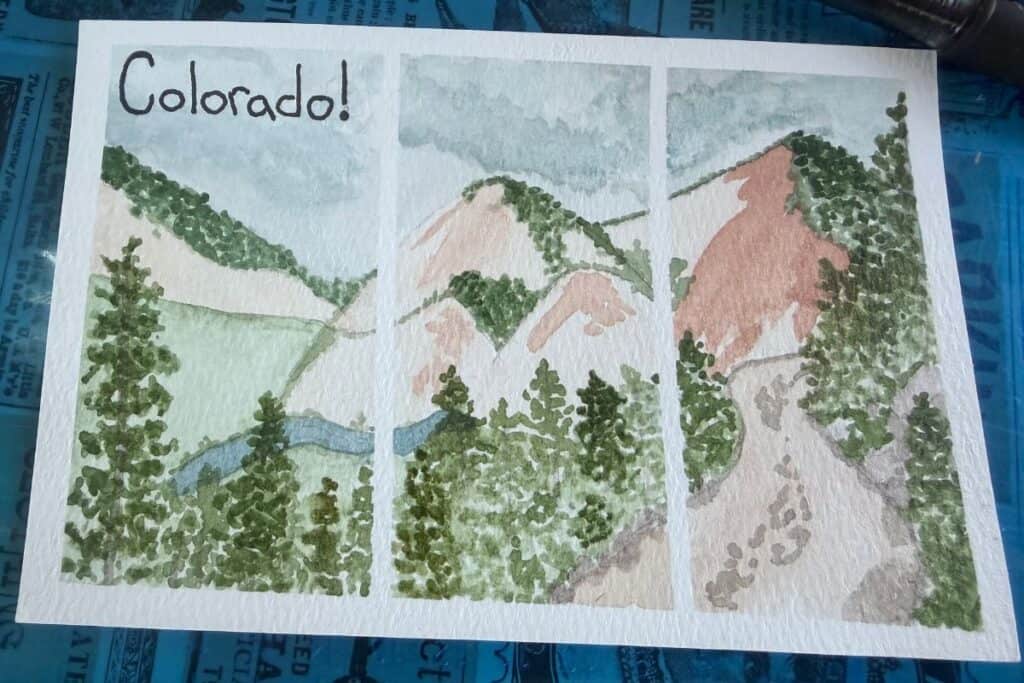
💌 📫 Pro tip: If you would like to send postcards to friends and family along the way, you can search locations of mailboxes through the USPS website, and don’t forget to buy stamps when you are in there!
Cheap Gas and Legal Trash
When packing on the miles it’s always a good idea to keep an eye out for the best gas prices so as not to get stuck paying the absolute highest price just because you thought you could make it to the next town which turned out to be $1 more per gallon, whoa! Trash and waste disposal is another chore that doesn’t go away on its own and it is a reality of life on the road that needs to be talked about.
WARNING: I AM GOING TO TALK ABOUT BATHROOM STUFF HERE… 🚽 🪠🧻
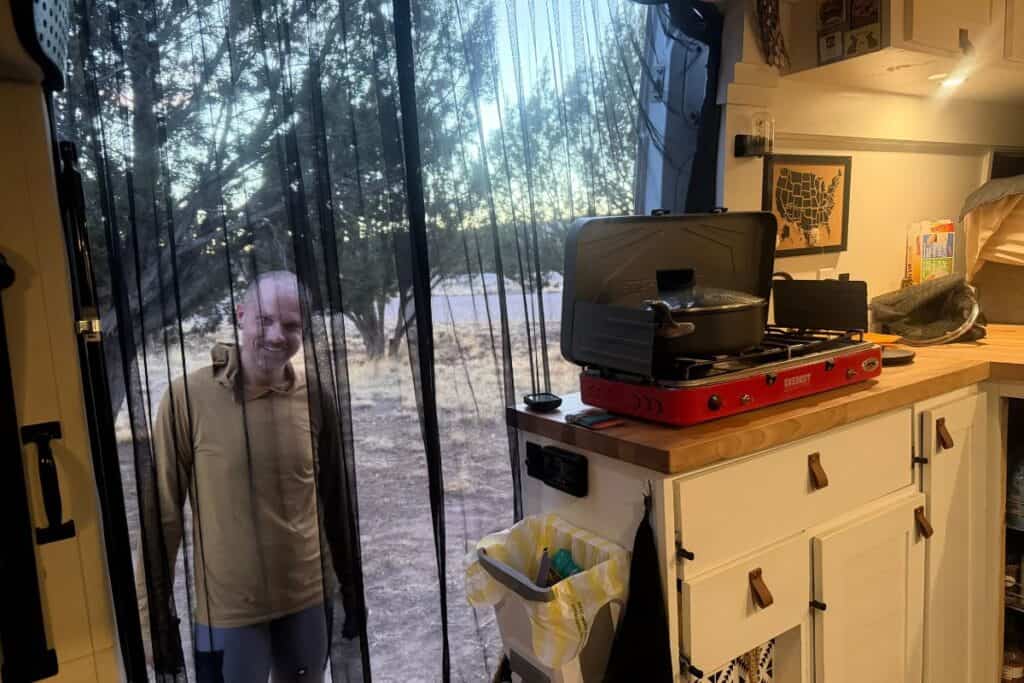
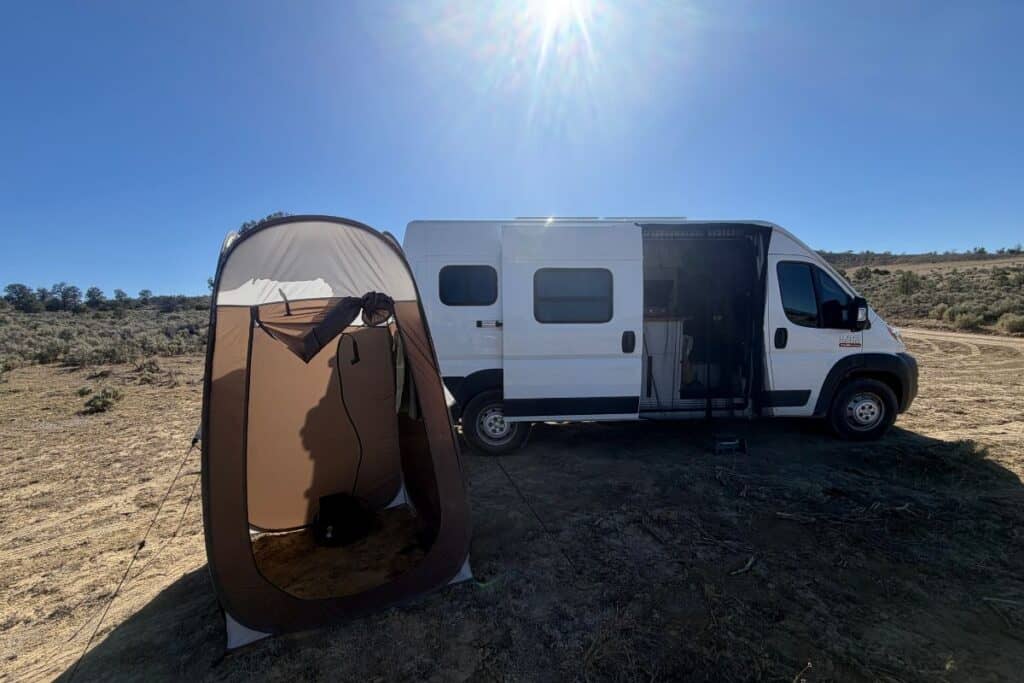
We have a small 2 gallon trash can in the van and can typically fill that in a day or two so we always have to keep an eye out for legal places to dispose of trash. We also have a bagged waste system with liquids separator. No flushing capabilities in our van!
- Gas tips: Most gas stations offer rewards programs that will generally get you 10-15 cents off a gallon sometimes even as much as 25 cents off. It’s totally worth scanning every QR code at the pump and placing all those apps in a folder on your phone when traveling lots of miles so you can get a discount on fuel anywhere you go. The savings can really add up! If you search for gas stations on Google Maps, it quite often will show the price for gas which is helpful when planning refuel stops.
- Trash and waste disposal: We have a small trash can and a composting bagging system for our commode. Trash and waste disposal is just a part of life that you get used to when living on the road or running long term SAG. Our waste bags are a double bag system that we use coco coir in for composting material.
These can be thrown out in any trash can since they are properly bagged just like diapers or dog waste. But not all trash cans are created equal. There are many signs out there that warn that dumping is not allowed so it is important to read and obey those signs. We typically dispose of our trash at a gas station when we fill up, at a grocery store if we are buying meat and things that have disposables that we need to get rid of right away, rest stops, or if these options are not available we look for a public park with trash cans.
🚽 Pro tip: It took some figuring to get the bathroom setup right and minimize odor. Check out our amazon storefront to see our camper van bathroom bundle to build your own bathroom kit! 🧻
- Liquid disposal: Our urine collector is quite small or it seems small when traveling with a cyclist who is part water buffalo. The urine jug needs to be emptied daily without exception. This is dumped in pit toilets, rest stop toilets or if boondocking, behind a bush like the rest of the animals. To keep the receptacle clean, a spray bottle of vinegar is kept nearby and spritzed after each use. When emptied, a dash of baking soda and vinegar is added to the jug to keep away any odors and the entire unit is wiped down. A dedicated opaque reusable bag is used to disguise the jug when transporting to a dumping location.
Hose Hunting: How to Find FREE, Clean Water Fills
Water is life, especially when you have an endurance athlete out there drinking tons of water and stinking up their riding kit. I typically hand wash his kit each day for not only hygiene purposes but for comfort as well and that uses significantly more water than we typically would on a normal basis. These laundry sheets are the best for low space, easy to use laundry detergent on the road.
- iOverlander is my go to for finding water sources. We have a hose set up that we fill our 41 gallon fresh water tank with. It has an in line filter and we also have a filter under the sink so that the water is double filtered before we drink it.
- In places like southwest Arizona we found affordable “water huts” which had water dispensing hoses and you inserted coins to engage them, usually 25 cents for 5 gallons.
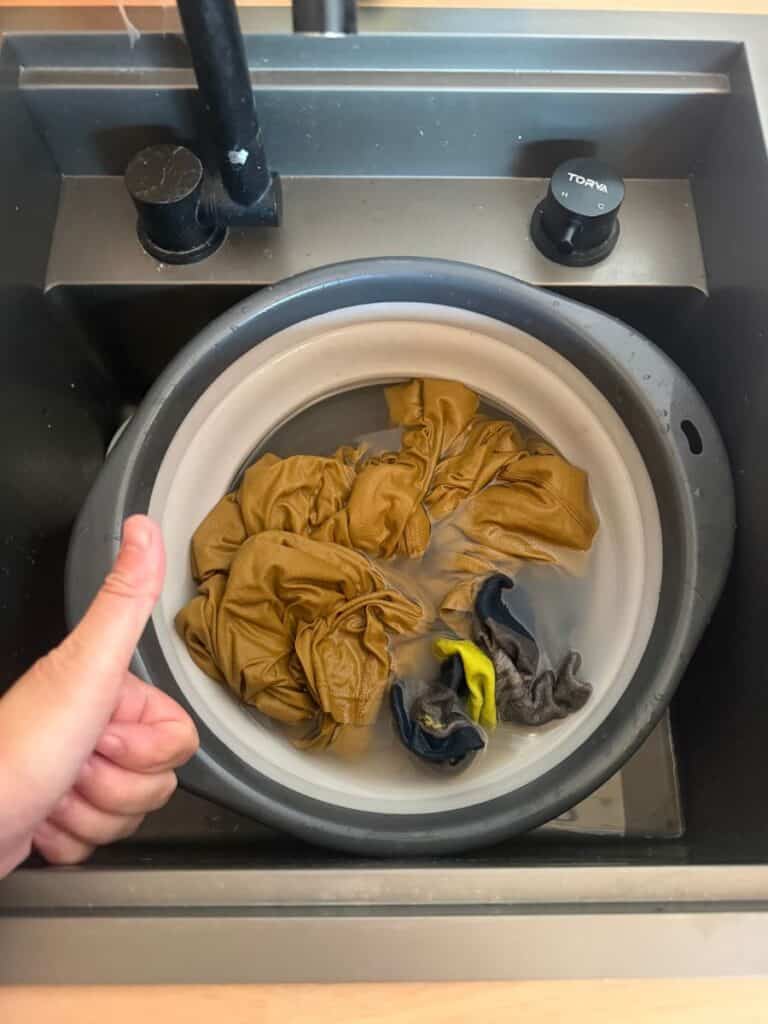
- Last resort we do have a collapsible bucket, collapsible 5 gallon jugs and a submersible pump that we can pump water, much slower, into our holding tank. This takes one filter out of the equation though and is very time consuming. The system doubles as a shower option when a gym isn’t available.
- Places that you can typically find a hose hook up, dump stations, Loves and sometimes other gas stations, Visitor centers, Ranger stations. Always be sure it is potable water and you ask permission, never fill up from the dump station rinse hose!
Bike Tour Meal Planning: Feeding the Beast
An ultra-endurance cyclist riding cross-country requires massive calorie replacement. Bike tour meal planning needs to address two distinct challenges: keeping them fueled while rolling, and rebuilding their muscles at night.
The human body is capable of incredible things, but it does NOT like to digest while also being asked to pedal thousands of miles and pumping air, blood, etc through your system. Your rider may not be able to make themselves eat certain things and likes and dislikes will change along the way. It’s a bit of a trial and error system to see what your athlete can handle but I will offer some suggestions for things that work for us.
On-Bike Snack Bags
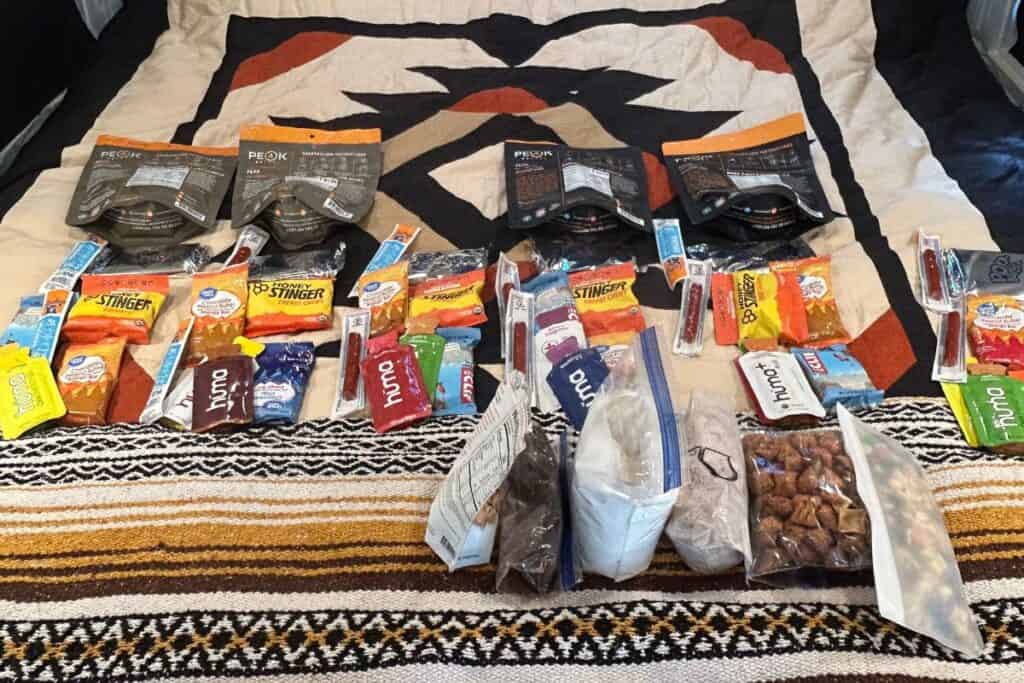
We have come up with some snack packs that fit into a quart freezer bag and offer Eric a variety of options for things to eat during the day on the bike. Some favorites have been PBJ Bobo’s and rice crispy treats. It’s important to get items that are melt proof and that won’t spoil while on the bike in extreme heat, and that will hold up in colder temps and rain as well. So, what’s in a snack bag?
Snack bag checklist
- 2 rice crispy treats
- 1 cliff bar (started with 2 and it was too much, these are harder to digest)
- 1 PBJ Bobo (Raspberry is fav, strawberry a close second)
- 1 package of cheese crackers (this was added later, needed more savory options)
- 2 mini chomps beef sticks
- 3 Huma gels
- 1 fruit bar
- 1 pack honey stinger gummies
- 2 bottles of Tailwind, 5 scoops per bottle
👀👉🏻 Check it out, all our favorite items for our snack packs can conveniently be found in our Amazon storefront under bike snacks!
All these snacks total 2,890 calories and contain 541 grams of carbs. He would typically ride 10-12 hours a day while doing the Great Divide which burns anywhere from 5,000 to 8,000 calories.
Not once did he actually eat everything in a snack pack in a day. Carbs are quick fuel for your body which you need when exerting on a sustained effort like this. Research notes that riders need about 60-90 grams of carbs per hour to sustain this type of effort, so as you can see from the numbers, Eric was coming in under that a lot of the time but that is what felt best for his body.
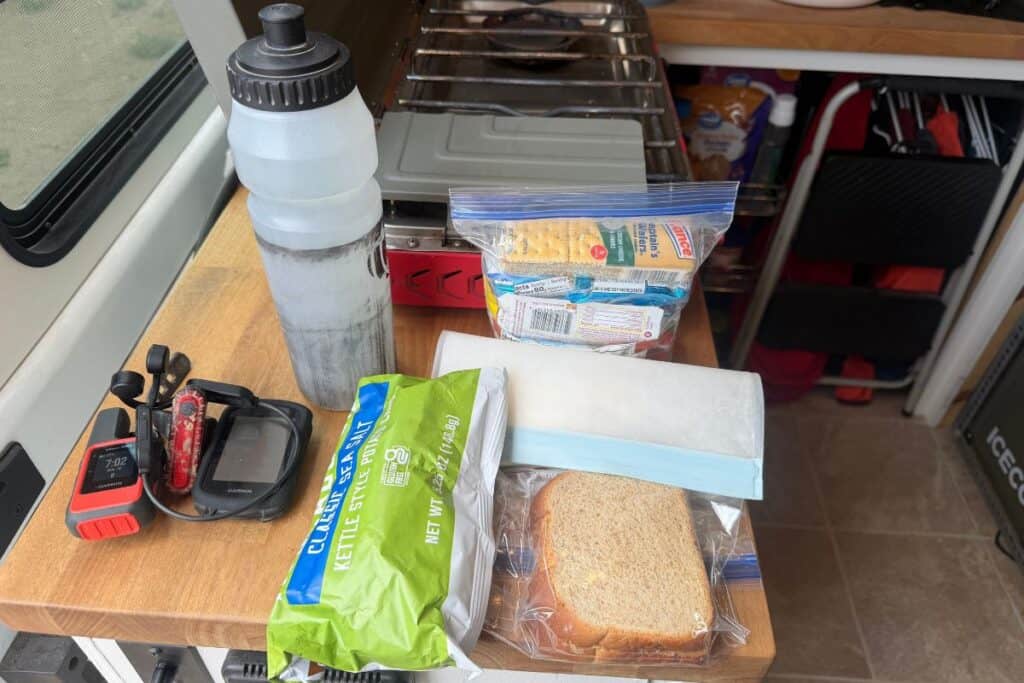
What works for one rider is not going to be what works for every rider so take it all with a grain of salt, use these recommendations as a baseline and adjust from there.
Keep in mind temperature, elevation and recovery are all factors that need to be considered when figuring out how much your rider needs while on the bike.
Van-Friendly Recovery Dinners
As I am sure you can imagine, cooking for an ultra athlete can be daunting to begin with. What makes it even more complicated is doing it in a kitchen smaller than most peoples bathrooms. I’ve come up with some van-friendly options for making healthy, hassle free dinners, including a free recipe card for one of our favorite meals!
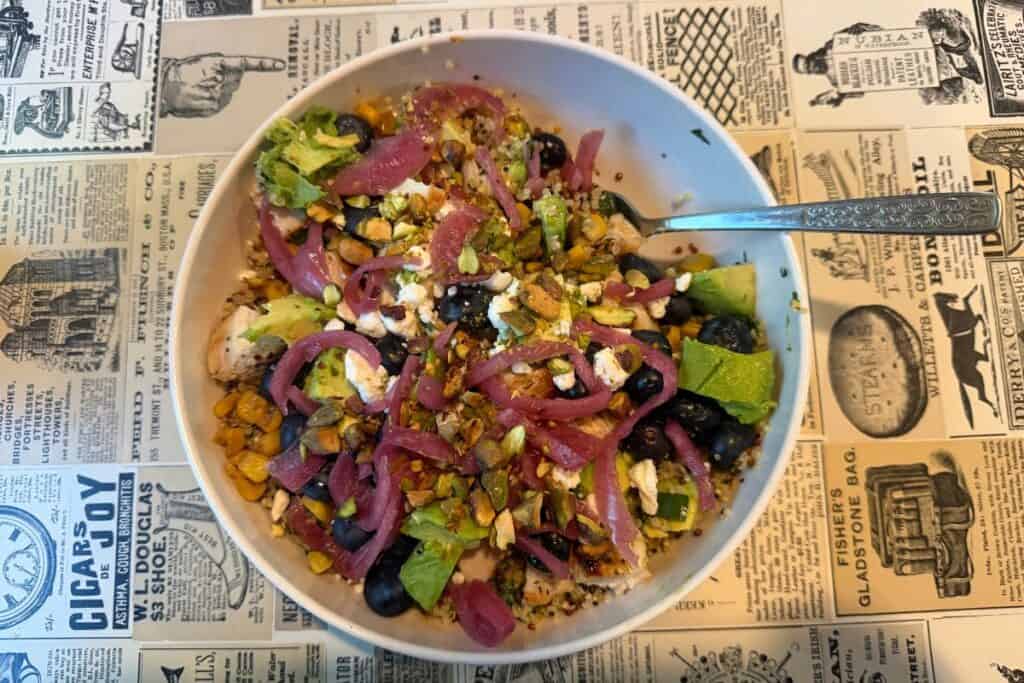
End of Day Refuel Hustle
- Protein shake: As soon as Eric gets to the van at the end of the day I have a protein shake mixed up and chilled for him. Protein after an effort like these is essential for muscle repair. He drinks that while he gets cleaned up.
Speaking of cleaning up, we should have invested in “wipe” stock, I tell you what, we have a wipe for everything since we do not have a wet bath in our van. - Protein and carb heavy dinner: Think meats and rice or meats and pasta. That can immediately get boring though, so you have got to start to get creative. I enjoy the challenge though and I went to work adjusting some of our favorite meals to fit into the higher carb category. We are carnivores, real meatasaurus’ through and through having previously been “hog farmers” and hunters of whitetail deer back on the old homestead in Michigan, so protein is not the challenge, spicing up the carbs are.
👩🏻🍳 Pro tip: be sure to include easy to digest carbs. For example, quinoa is a complex carbohydrate but is harder to digest than say white rice, so just make the swap in your favorite recipe and remember a sauce can make a world of difference!
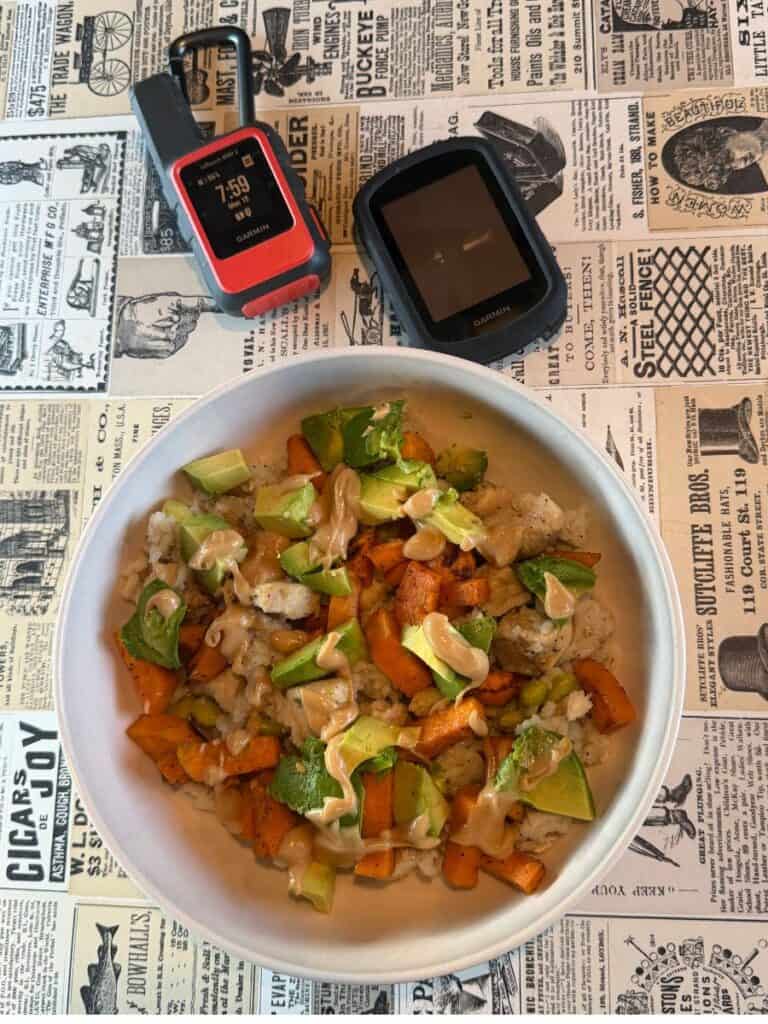
One of our favorites is this biker buddha bowl recipe that I adapted by swapping quinoa for white rice and altering cooking instructions so it can be made in the insta pot for easy clean up and low water use. Get your FREE biker buddha bowl recipe card below!
Beyond the Bike: Van Itinerary and Crew Care
Having completed all your support duties and chores, it is important to remember this is your journey too. Yes you are supporting your cyclist that is doing a big amazing thing, but you are also traveling across great distances, sharing in the journey and doing equally amazing things! Look for opportunities that coincide with errands or your driving route. Even if it’s as simple as a gym visit, a hike or bike, a stop at a museum or an intentional ten minute meditation, taking care of yourself has got to be a priority for maintaining sanity and quality of life while supporting your rider.
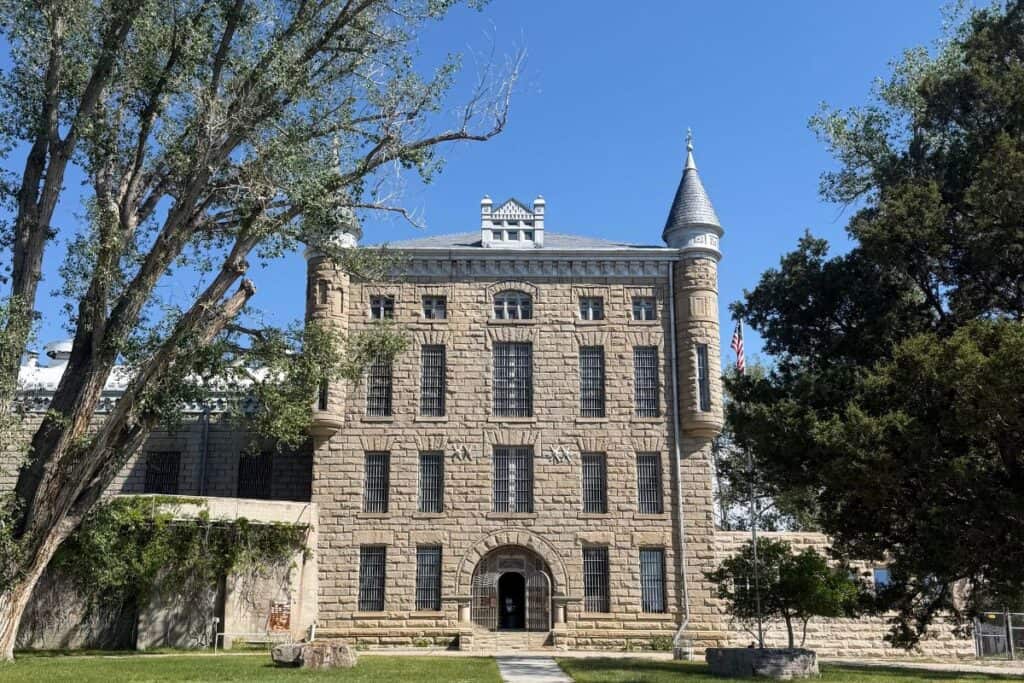
Crew Care Ideas
- Gym visit: Get a workout and a shower- Join Planet Fitness for just $1 down using my exclusive link!
- Mindful minute: Set a timer on your watch and take 5-10 minutes to focus on nothing else besides your breathing. Bonus points for a great setting like a rock in the middle of a river.
- Check out a museum: NARM offers a membership that will get you into hundreds of museums free across the U.S.
- Take and hike or bike: I enjoyed biking a section of the Great Divide that was within my current capabilities and also took a lovely hike in the Colorado Springs area when the opportunities arose.
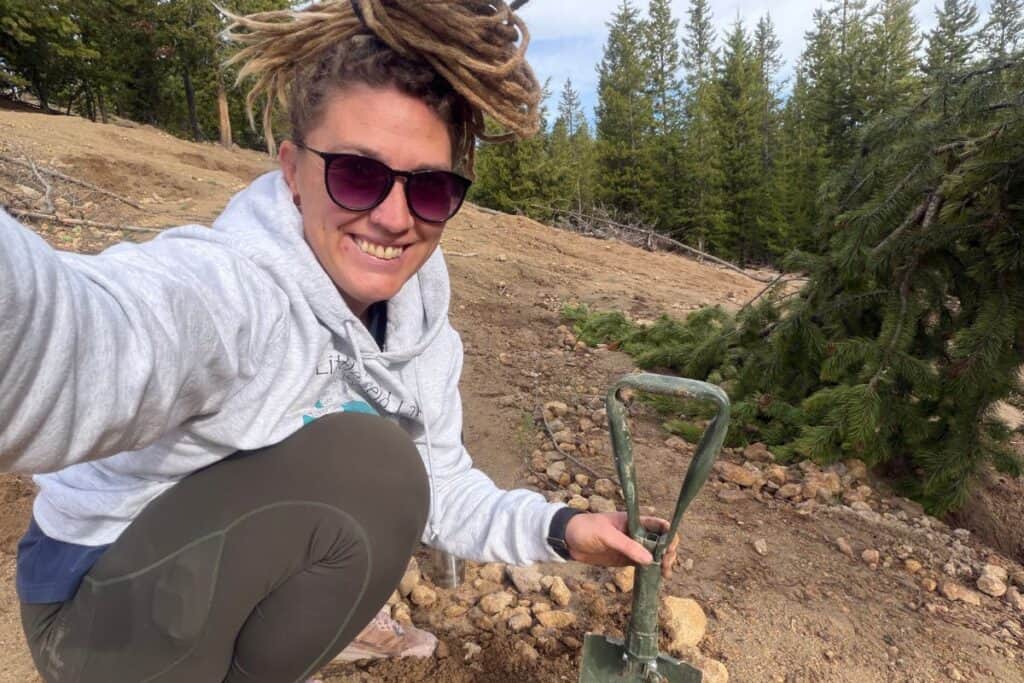
- Try something new: We ran across a mineral mining area in Montana open to the public and I spent an hour digging for crystals!
The Wrap Up
At the end of the day, running a remote bike support catch and release operation from a camper van isn’t just about tracking a dot or prepping the perfectly balanced carb and protein laden meal. It is an intricate, daily dance of logistics, trust, and ultimate flexibility across thousands of miles of wild terrain. While your rider is out earning every pedal stroke, your journey begins behind the wheel and is just as vital to making the finish line a reality.
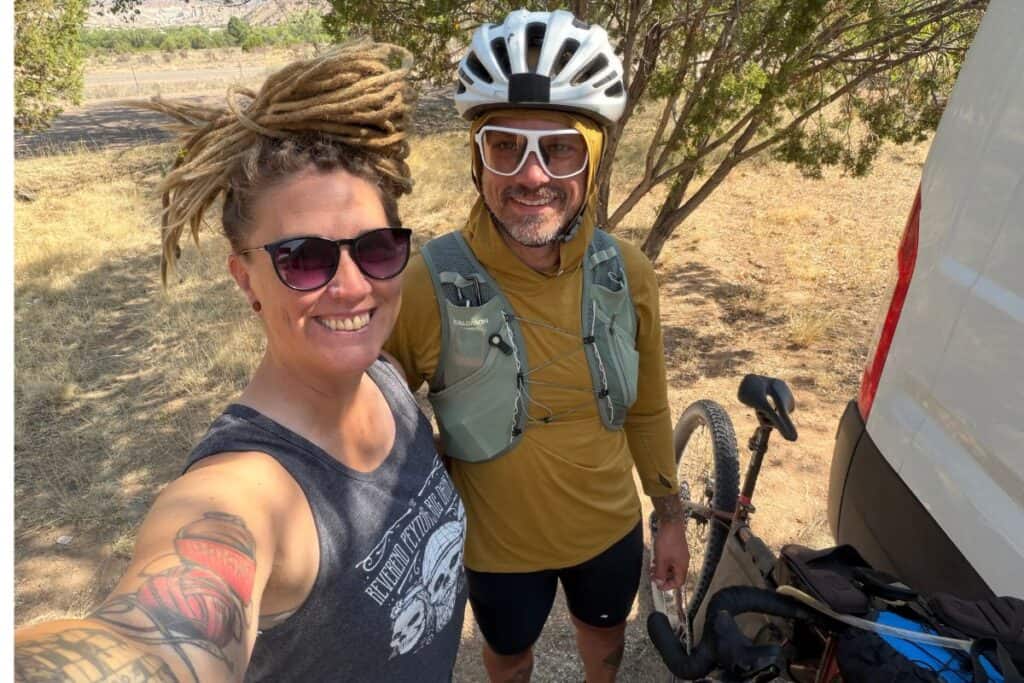
Embrace the chaos, master your digital toolkit, enjoy the challenge and don’t forget to protect your own sanity along the way. Now that you know the rhythm of the catch-and-release strategy, it’s time to build your own SAG wagon playbook and hit the trail!