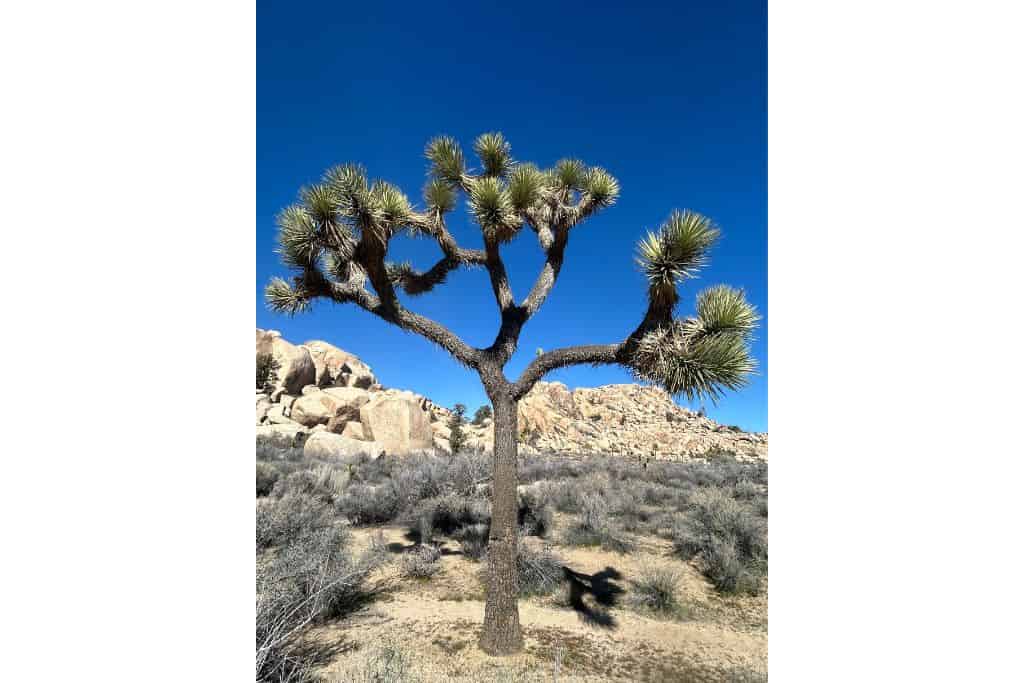
How Many Days to Spend in Joshua Tree National Park? (1, 2, or 3-Day Guide)

Are you planning a visit and need help deciding just how many days to spend in Joshua Tree National Park? I have got you covered. After visiting Joshua Tree with my husband and spending 5 days within the boundaries of the nearly 800,000 acre park, I’ve put together a 1,2, or 3 day itinerary that can accommodate any schedule.
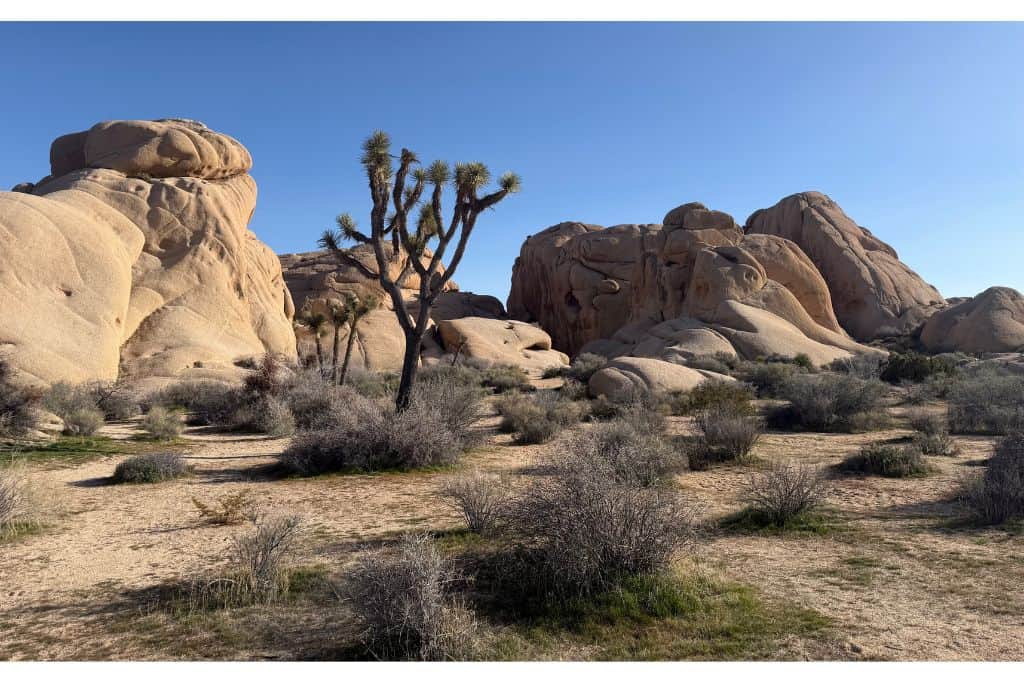
One Day Itinerary
Sometimes a day is all you have but don’t despair, there is so much you can see in one day at Joshua Tree National Park. Grab your camera, or let’s be honest, probably your phone because those pictures won’t take themselves.
Take a guided 4×4 tour
Since Joshua Tree National Park is quite big, if you only have one day, taking a guided off-road tour would be a fantastic option to get the most out of this unique park.
Viator offers a 5 hour tour that will take you to areas of the park that few others are able to experience.
The tours are lead by knowledgeable guides who talk about the flora, fauna and geology of the park. This is the perfect option for those short on time who still want to experience the park’s more rugged side.
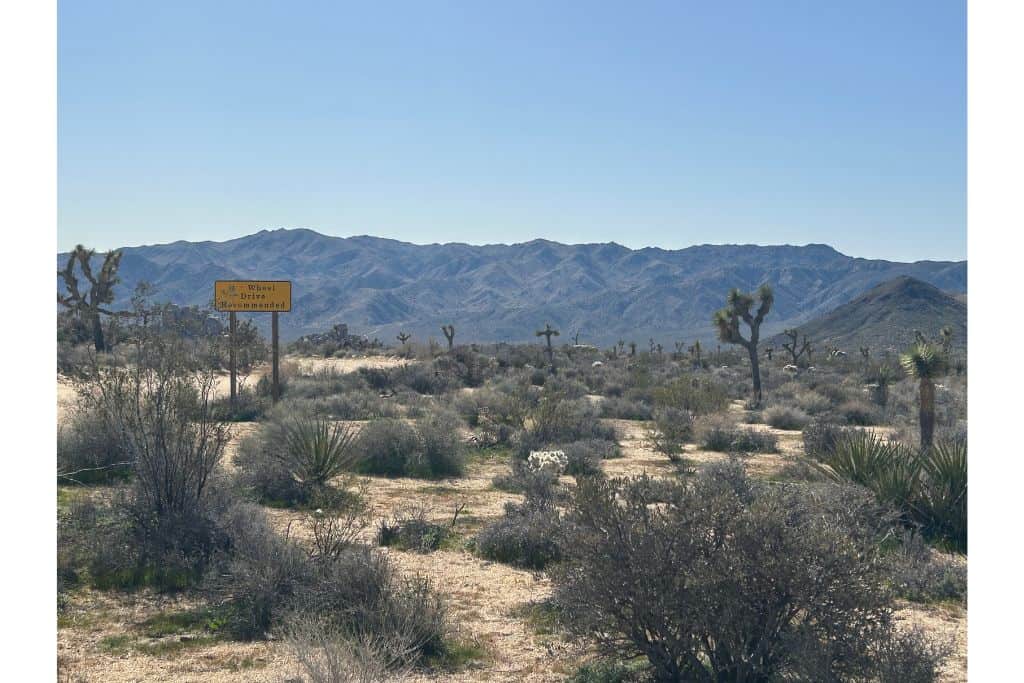
Self Driving Tour
A self driving tour is another great option at this National Park with several viewpoints, options for short walks and visitor centers along the way that offer a stellar selection of stickers, shirts, hats and even “grow your own Joshua Tree” kits!
Bring a cooler with some lunch, lots of water and snacks and enjoy the drive (and maybe a little walking) through the park.
The full drive is 52 miles and would take around 2-3 hours one way with stops included, so making the trek will definitely take a full day to make it out and back. Another great park with a fantastic driving tour is Bryce Canyon, chock full of photo ops.
The following stops are must see’s on a one day visit and are listed in order of appearance beginning from the Joshua Tree west entrance.
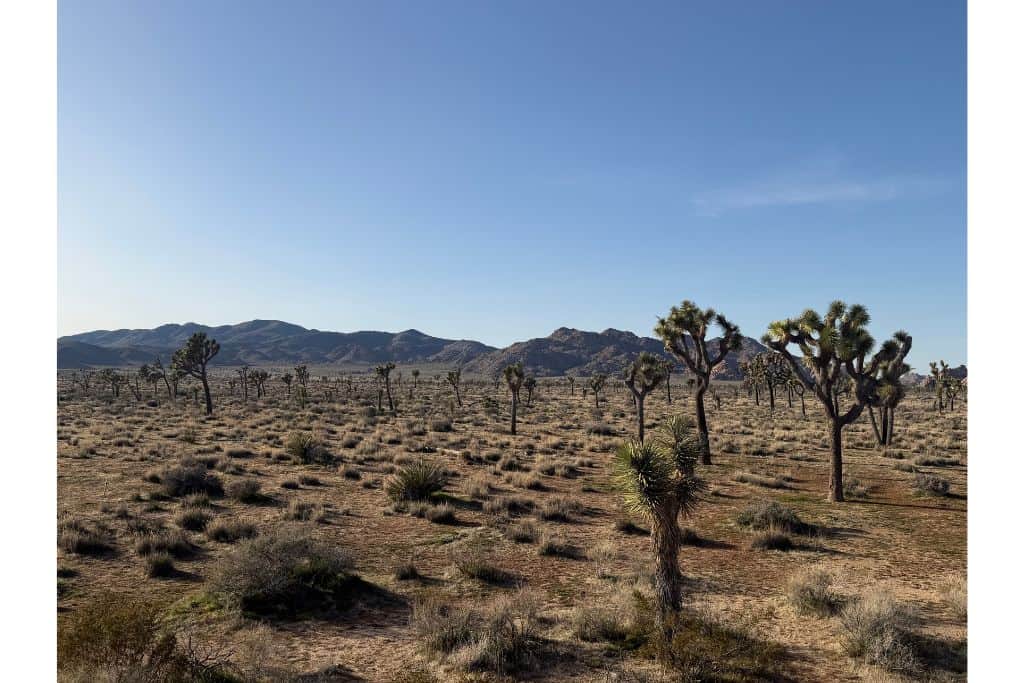
- Cap Rock– Can be seen from the road and has a small parking area nearby
- Keys View– large parking area, short walk to the view point- can see the San Andreas fault and forests of Joshua Tree’s on the drive in
- Hall of Horrors– A popular rock climbing area worth a stop to admire the climbers abilities or take a quick stroll around the rock formations yourself
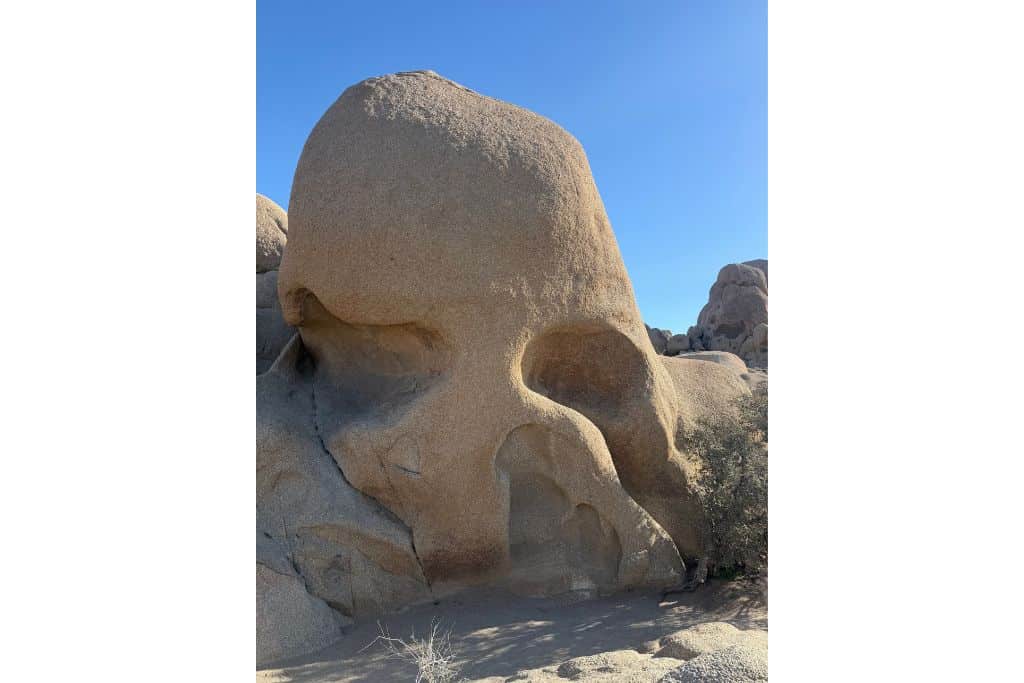
- Skull rock– very busy spot, right on the side of the road for a quick picture
- Split Rock– enjoy lunch at the picnic area before or after hiking the 2.5 mile round trip loop that goes by face rock as an added bonus
- Heart rock and Arch rock-park at twin tanks and walk the 1.4 mile round trip easy path to these two iconic features
- Cholla cactus garden – .25 mile walk among thousands of cholla cactus, wear closed toed shoes
- Cottonwood Springs Trail– .5 mile easy loop where you can see a palm and cottonwood oasis, this is the southern most area of the park and has a well stocked visitor center close by
Two Day Itinerary
If a short overnight is in the cards, this two day itinerary is perfect to explore the park a little more in depth. Book your campsite ahead of time at rec.gov to ensure you can soak up every minute in the park.
Day 1
- Set up camp– booking a site in Jumbo Rocks campground ahead of time on rec.gov will give you access to some of the most popular areas of the park.
*Note: this is a dry camp, meaning that there is no water source and there are only pit toilets, be sure to plan accordingly and bring more water than you think you will need with you into the park - Take a hike– Leaving from the Jumbo Rocks campground, hike the 5 mile loop that visits Skull rock, discovery trail, Split rock and Face rock. End back at camp for a well deserved lunch.
- Cap Rock and Hall of Horrors– a stop at each of these spots will be a nice addition to the day where you can either do some bouldering and rock climbing (or watch climbers if you are not the mountain goat type) and explore more interesting rock formations on a short walk from the parking area
- Take a drive to Keys View– Keys view is lovely near sunset. To get there you will drive through a seemingly endless forest of Joshua Trees and be able to view mountains and the San Andreas fault in the distance if it’s a clear day.
- Dinner and star gazing– Head back to camp for dinner, maybe some hot dogs over the fire (be sure to bring firewood) and everyone’s favorite camp treat, s’mores! Joshua Tree National park is an international dark sky park, just like Big Bend, and it is sure to put on a show.
*Want to be sure you never forget something you need on a day hike again? Grab our free day hike packing list below.*
Day 2
- Hike Ryan Mountain– One of the most popular hikes in the park, it is best to arrive early to secure a parking spot and to cross off this relatively short but steep hike. There are 680 stairs and 1,050′ of elevation gain in 1.5 miles (3 miles round trip) which is quite a lot. The 360° view from the top makes it worth the leg workout.
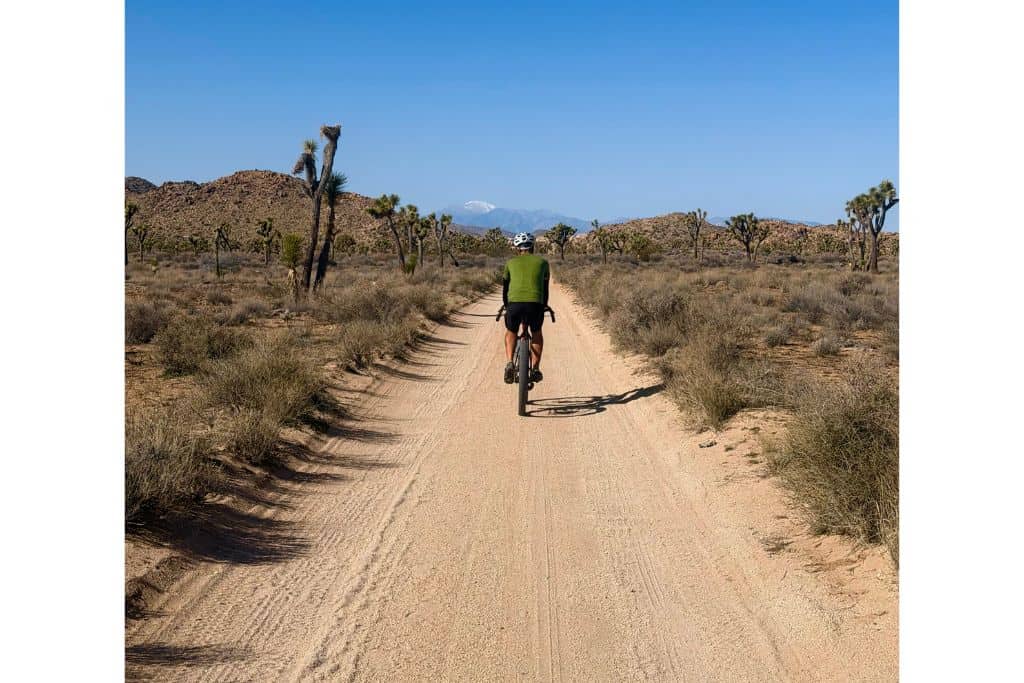
- Bike to Barker Dam– If you are into mountain biking or gravel biking there is a treat for you and the perfect way to spin out those legs after Ryan Mountain. Drive to the Pine City Parking area and take the Queen Valley road (one way) to Barker dam and Wall Street Mill, if feeling feisty you can walk the Barker Dam loop, its a short 1.1 mile trek with pictographs, plant placards and a water feature.
To get back to the parking area on your bike, ride back down bighorn pass road to the main park road (paved) and up queen valley road to the pine city parking area for a total of about 9.5 miles.
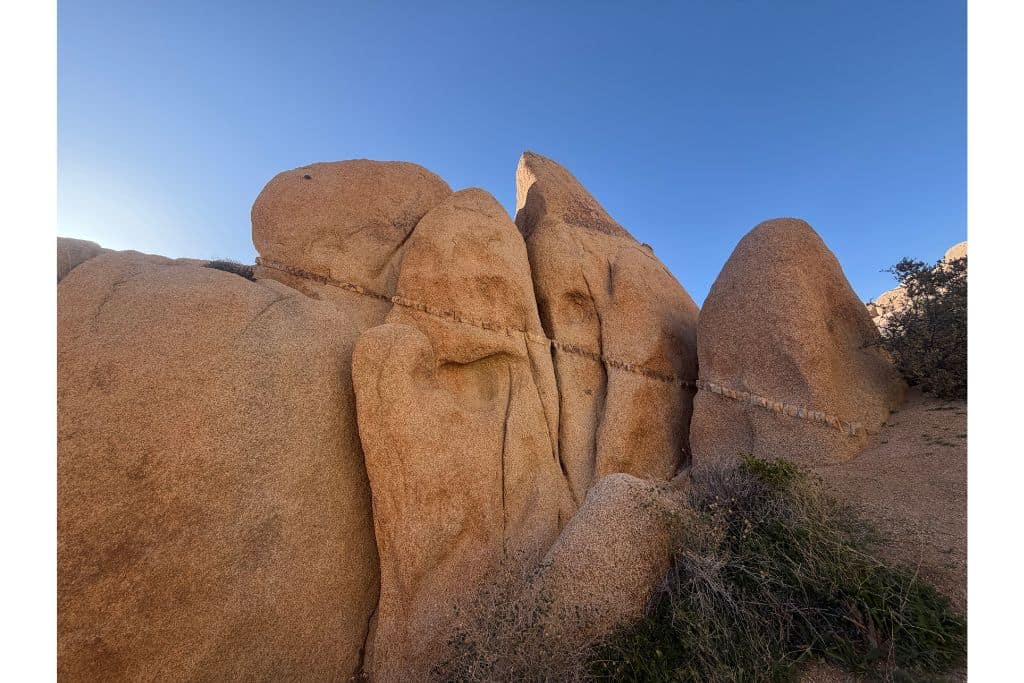
*This ride is not suitable for road bikes, it is a dirt/gravel two track with some sandy spots, the paved main road has no bike lane but vehicles tend to give space, be mindful of your surroundings, wear a helmet, use a taillight and hand signals to turn. - Hike Pine City – This 4 mile out and back has virtually no elevation gain and takes you to a beautiful stand of pines as well as some impressive rock formations with deep veins or dykes like those in the photo above.
- Hike to Arch Rock and Heart Rock– If you have any gas left in the tank, take a quick walk to Arch Rock and Heart Rock (only 1.4 miles total round trip), these are the most iconic formations in the park besides skull rock and are a super fun place to explore in the evening as it is cooling down a bit.
*Do not forget to eat salty snacks and drink lots of water, this is an aggressive itinerary and proper fueling is crucial. Feel free to cut out anything that seems to be too much and take into consideration what season you are visiting, this would not be possible in summer.
Three Day Itinerary
If you have the time to spend three days in Joshua Tree National Park, it is totally worth it. With its volcanic rock formations comprised of granite boulders, it is a climbers paradise as well as a unique hiking and biking area as outlined above in the two day itinerary. Check out the adventurers itinerary below where we add in some climbing fun.
Day 1
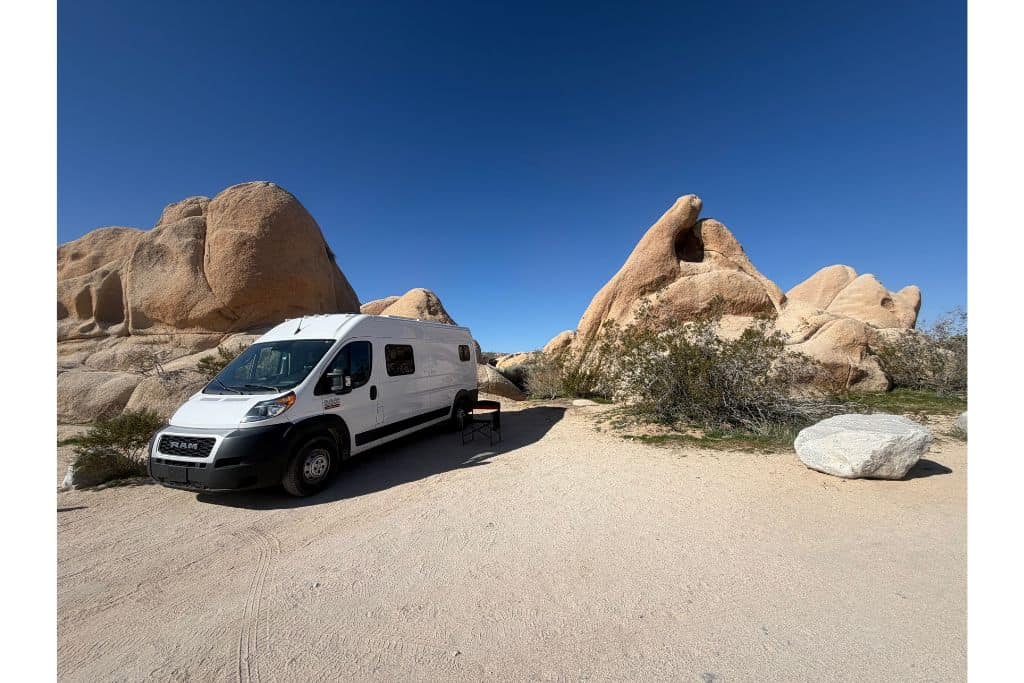
- Set up camp– There are three first come first served campgrounds in the park that fill quickly but are a super unique option for camping in the park. My top recommendation would be White Tank, it is close to Arch rock and there you will have a backyard full of boulders to play on. Try to arrive early in the day during the week for your best chance to snag a spot. Leave a tent or chairs in the empty spot then scoot over to the nearest entrance (north entrance station) to pay and get your reservation slip.
*White tank cannot accommodate vehicles or trailers over 25′, it’s tight but it is such a neat setting! - Hike Split rock and Skull rock– This hike is a short drive from White Tank Campground and by combining Split rock and Skull rock you can also see face rock in a relatively short hike coming in at about 5 miles.
- Cholla Cactus Garden– Next get your camera ready to take a quick jaunt (only .25 miles) into the heart of the Cholla Cactus Garden, an easy but well worth it stop just the other side of the White tank campground. Closed toed shoes, don’t want any nope tree incidents.
- Hike Arch rock and Heart rock– If staying at White Tank you can hike to these two iconic features right from camp. The parking area for the hike is usually quite busy but only campers are allowed to park in the campground which is much closer to the formations. You can then spend hours bouldering around until it’s time for dinner over the fire in your campsite (don’t forget that firewood!)
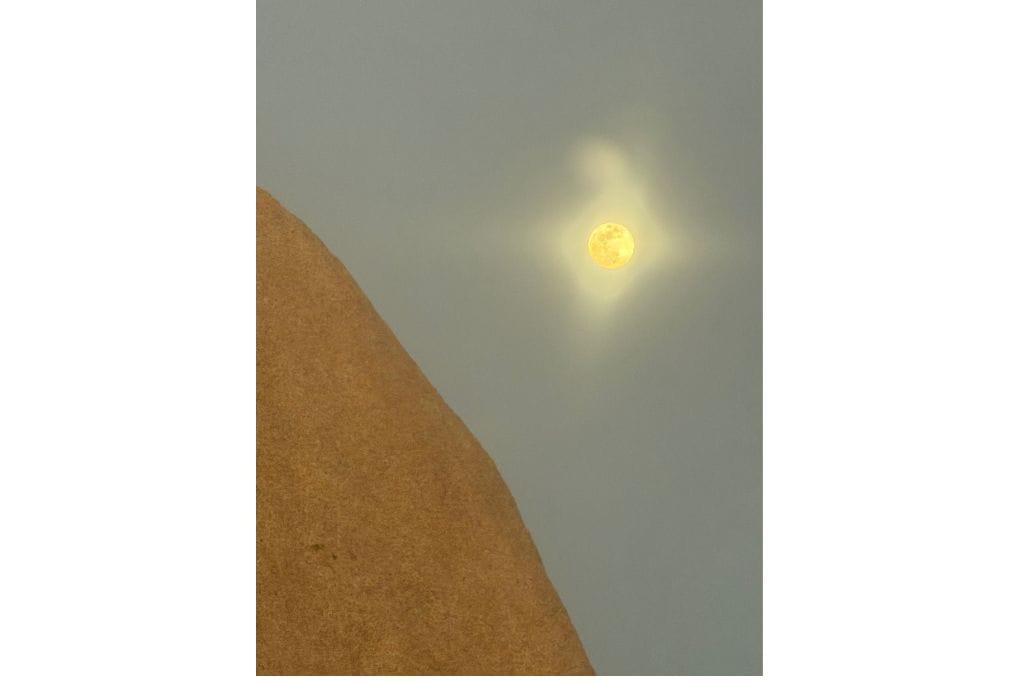
- Star Gaze– Enjoy the night sky from your cozy campsite surrounded by giant granite rock formations. If you’re lucky a full moon will rise before your eyes, a perfect close to your first day in Joshua Tree.
Day 2
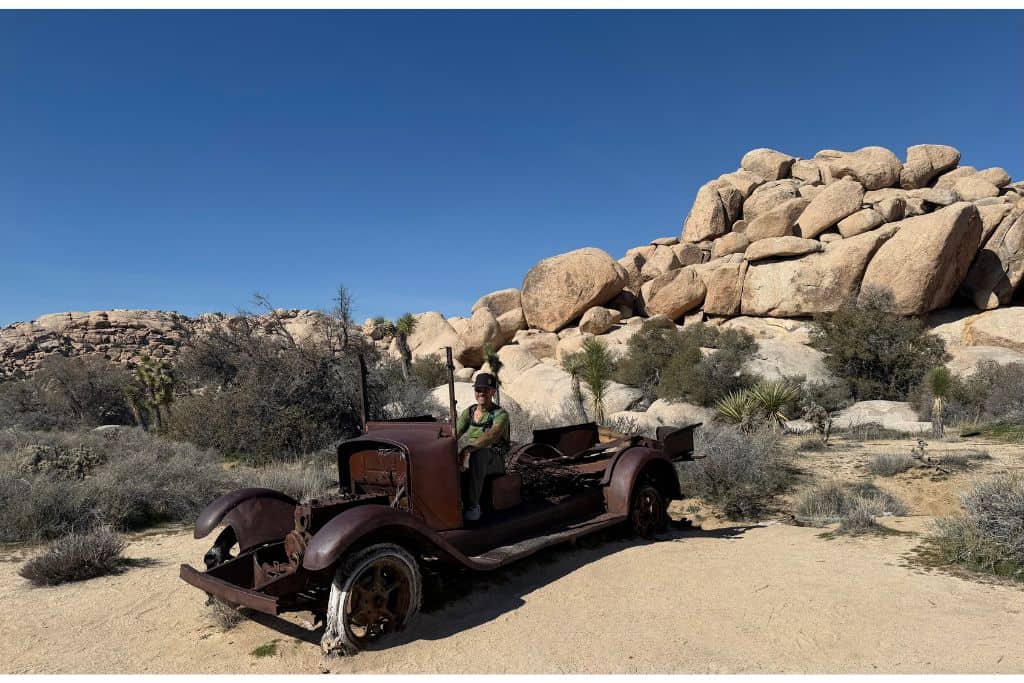
- Hike Barker Dam and Wall Street Mill– You will see pictographs, loads of plaques with interesting desert plant information, the remains of an old mining operation including some interesting rusted out vehicle remains and if you are lucky maybe even a bighorn sheep. The two hikes combined are only 3-4 miles total with almost zero elevation gain.
- Hike Lost Horse Mine Loop– This was one of our favorite hikes in the park and it isn’t on the park hiking trails guide although it does appear on the map. The hike covers a 6.5 mile loop that takes you past another abandoned mine and through amazing landscapes. Mountains, Joshua Trees, ruins of stone foundations and other high desert delights await on this hidden gem trail.
- Keys View Sunset– After a big day hiking, take a drive to Keys View at sunset. Reward yourself with your favorite camp dinner after a great day of hiking and fuel your body for what’s up next.
Day 3
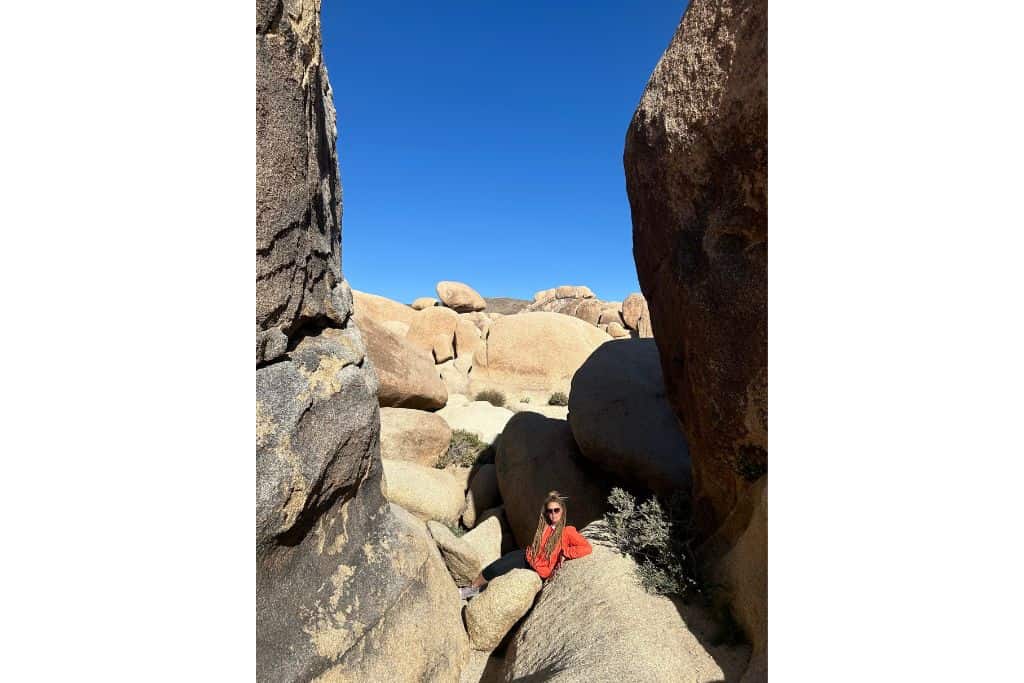
- Take a Rock Climbing Course– Joshua Tree National Park is known for its numerous rock climbing opportunities. But where do you start if you haven’t tried it before? I would recommend you get a taste for it in one of the most iconic backdrops for the sport by taking a rock climbing course.
Viator offers a beginner class right in the park that lasts 4 hours and they bring all the gear and teach you all you need to know.
- Visitor center– No National Park visit is complete without a stop at a visitor center to grab your favorite souvenir. After hiking and rock climbing in this magical place, you surely will need a memento to take home to remind you of your epic days spent in Joshua Tree National Park.
When is the best time to visit Joshua Tree?
It is of course your preference what temperatures and crowd size you tolerate best but I will give a quick rundown of the best times to visit the park. Personal favorite is winter, perfect hiking and biking temps in my opinion and smaller crowds.

- Spring (March-May, temps 40°F-80°F) busiest time in the park, spring bloom is happening, more mild temps than summer but still warm, have to fight crowds.
- Summer (June-Sept temps 70°F-115°F) temperatures soar up over 100° F and only early morning activities or star gazing are viable options really.
- Fall-Winter (Oct-Feb, temps 30°F-80°F) Great for rock climbing and hiking as temperatures are very tolerable and crowds are smaller.
How to get to Joshua Tree National Park
Joshua Tree covers around 800,000 acres which is approximately the size of Rhode Island, wowzer. Established in 1936 as a National Monument it received park status in 1994. The park is located in the Mojave desert and the closest airport is in Palm Springs California, about an hour drive from the west entrance.

Getting around
- Entrance Fees: I always recommend a parks pass if visiting at least three parks in a calendar year which can be purchased here.
*If opting for the guided 4×4 tour, admission to the park is covered. - Visitor centers: There are three visitor centers, the most popular is in the city of Joshua Tree to the west, next is in Twentynine Palms to the north, and lastly the south entrance and visitor center is called Cottonwood.
- Campgrounds: There are 5 reservable campgrounds in the park which you can book in advance at rec.gov and 3 first come first served campgrounds, Belle, White Tank and Hidden valley as seen on the NPS map.
- Food/Water: Aside from some snacks at visitor centers, there is no food or water in the park. There is a water fill spigot for large water jugs at the Oasis of Mara near the Twentynine Palms entrance and Joshua Tree and Twentynine Palms have stores and restaurants etc for food, just remember to stock up before entering the park.
The Wrap Up
You might have been wondering how many days you need at Joshua Tree National Park and I hope you agree after reading this post, that whether it’s one, two or three you can make it happen.
Of course you can spend more time here if you would like, as I mentioned we spent five days in the park and we are definitely planning to return again to explore even more.
From camping and hiking to climbing and biking there is a little something for everyone at Joshua Tree. Another great National Park in California that you can’t miss is just over 5 hours away. In my guide to the perfect Death Valley itinerary, you can figure out how to combine the two parks for an epic trip!